Get Residential Tree Service
Residential Tree Service providers handle pruning, removal, and health care to address safety hazards, storm damage, or aesthetic improvements for property owners.
Property owners considering tree care or removal often seek reliable local contractors to help manage their outdoor spaces. Whether planning to remove a hazardous tree, enhance curb appeal, or ensure the health of existing trees, exploring your options can lead to better results. Comparing local service providers allows for informed decisions based on experience, reputation, and the specific services offered, making it easier to find the right professionals for your project.
If you're looking to improve the safety, appearance, or health of your property’s trees, there are experienced local contractors ready to assist. By reviewing and connecting with these service providers, property owners can find tailored solutions that meet their needs. Keep reading to learn more about how to identify qualified professionals and what questions to consider when planning your tree service project.
- Tree trimming - needed when trees have overgrown branches that pose a risk to property or safety.
- Tree removal - required when a tree is dead, diseased, or causing damage to structures.
- Stump grinding - necessary after tree removal to eliminate unsightly or hazardous stumps.
- Emergency tree services - needed during storms or severe weather to clear fallen or damaged trees.
- Pruning and shaping - performed to maintain the health and aesthetic appearance of trees.
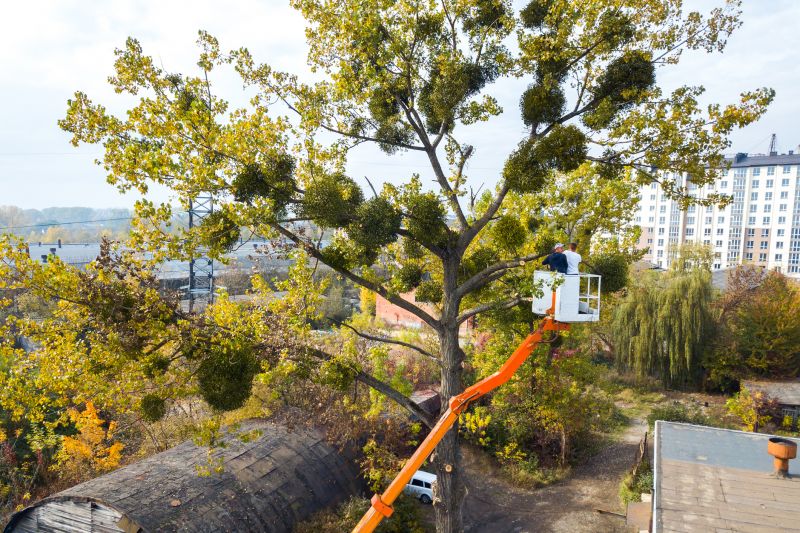
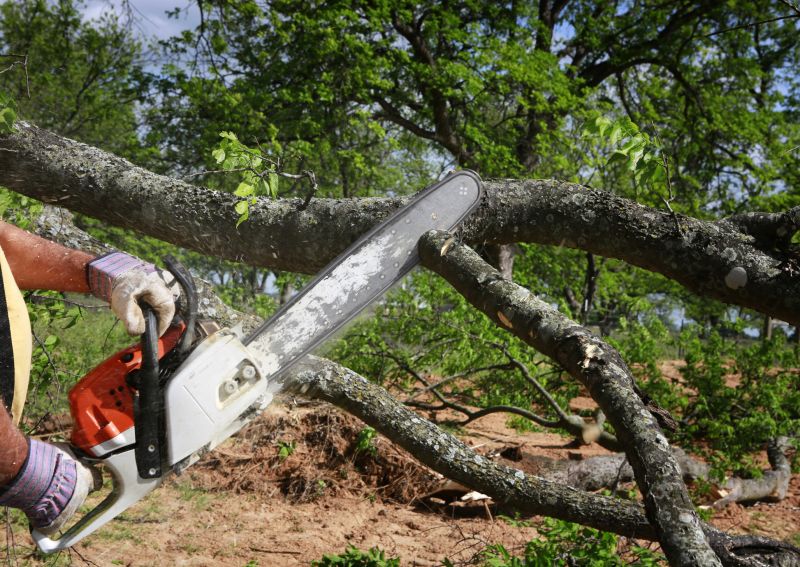
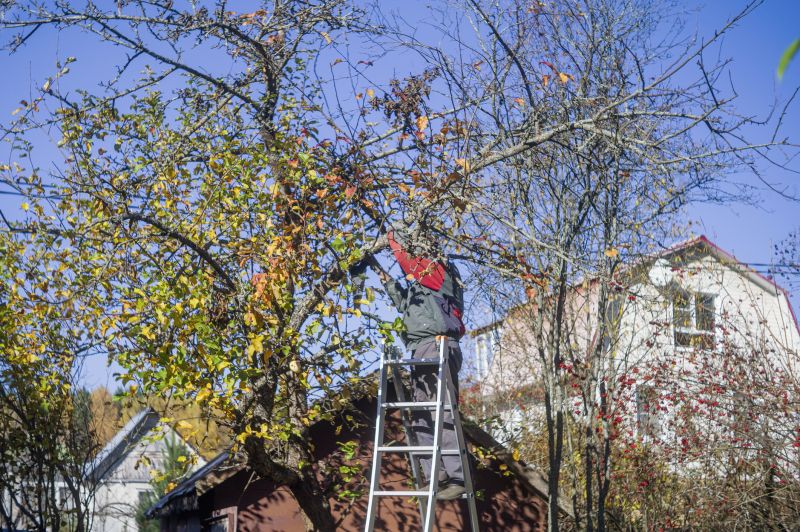
Residential tree services encompass a variety of professional solutions designed to maintain, improve, and protect trees on private properties. These services typically include tree trimming and pruning to remove dead or overgrown branches, ensuring trees remain healthy and aesthetically pleasing. Additionally, tree removal may be necessary when trees are damaged, diseased, or pose a risk to nearby structures or people. Service providers also offer stump grinding and removal to eliminate unsightly or hazardous stumps left after a tree has been taken down. These tasks help homeowners manage their landscape and promote the long-term health of their trees.
Many common problems can be addressed through residential tree services. Overgrown branches can interfere with power lines, block sunlight, or create hazards during storms. Diseased or infested trees may weaken and become a danger, requiring prompt removal or treatment. Root issues, such as those causing sidewalk heaving or foundation problems, can also be mitigated through professional intervention. Regular pruning helps prevent disease spread and maintains the overall shape and structure of trees, reducing the risk of falling limbs. These services are essential for homeowners who want to keep their yards safe, attractive, and well-maintained.
Properties that typically utilize residential tree services include single-family homes, multi-unit complexes, and small commercial properties with landscaped grounds. Larger properties with extensive trees, such as estates or parks, may also seek professional assistance for ongoing maintenance or large-scale removals. Homeowners often call in local contractors when they notice signs of trouble, such as dead branches, leaning trees, or root intrusion. Whether for routine upkeep or emergency removals, residential tree services help property owners address a wide range of tree-related concerns effectively.
Understanding when to seek professional tree services can prevent costly damage and ensure safety. Homeowners should consider calling a tree service provider if they notice broken or hanging branches, trees that lean dangerously, or signs of disease like discolored leaves or fungal growth. Storm damage or fallen limbs also require swift attention to prevent injury or property damage. Regular inspections and maintenance can help identify issues early, saving time and money in the long run. Local contractors are equipped to handle these tasks professionally, helping homeowners keep their trees healthy and their properties safe.
The overview below groups typical Residential Tree Service projects into broad ranges so you can see how smaller, mid-sized, and larger jobs often compare in your area.
In many markets, a large share of routine jobs stays in the lower and middle ranges, while only a smaller percentage of projects moves into the highest bands when the work is more complex or site conditions are harder than average.
Smaller Tree Trimming - typical costs range from $250-$600 for routine pruning of small to medium-sized trees. Many projects fall within this middle range, with fewer jobs reaching the higher end for larger or more complex trimming tasks.
Tree Removal - removing a single small tree often costs between $300 and $1,000, while larger or hazardous trees can cost $1,500 or more. Most residential projects tend to land in the lower to mid-range, with fewer reaching the highest prices.
Stump Grinding - stump removal services generally cost $100-$400 per stump, depending on size and location. Many jobs are completed within this range, with larger stumps or difficult access pushing costs higher.
Full Tree Replacement - replacing a mature tree can range from $1,000 to over $5,000, depending on the species and size. Smaller, more straightforward replacements are common in the lower end, while larger trees or specialty species can reach the higher tiers.
Actual totals will depend on details like access to the work area, the scope of the project, and the materials selected, so use these as general starting points rather than exact figures.
Tree Trimming and Pruning - This service involves shaping and maintaining trees, requiring similar skills and tools used in residential tree care to promote healthy growth and safety.
Stump Grinding and Removal - Removing tree stumps involves specialized equipment and planning, aligning with the skills needed for complete tree removal projects.
Land Clearing - Clearing overgrown or wooded areas for landscaping or construction projects uses similar techniques and equipment as residential tree services.
Emergency Tree Care - Responding to storm damage or fallen trees requires quick assessment and safety procedures akin to regular tree maintenance work.
Tree Planting and Installation - Planting new trees involves planning, soil preparation, and the use of tools similar to those used in pruning and trimming.
Utility Line Clearance - Trimming trees near power lines demands precision and safety measures comparable to residential tree pruning services.
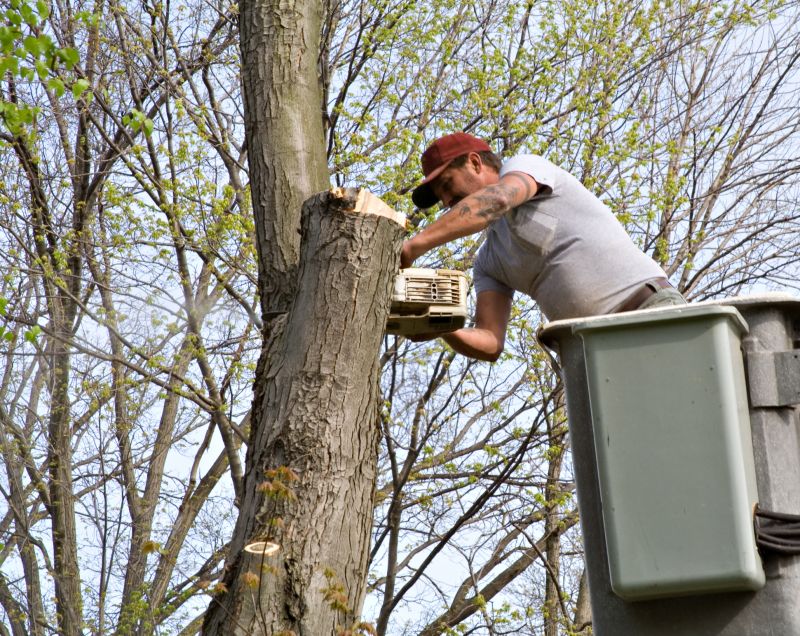
When comparing residential tree service providers, it’s important to consider their experience with projects similar to the one at hand. A contractor who has handled trees of comparable size, species, or in comparable landscape conditions can often deliver results more efficiently and effectively. Asking for information about their past work on similar projects can help gauge their familiarity with the specific challenges involved, ensuring that the chosen service provider has relevant hands-on experience to meet expectations.
Clear, written expectations are a key factor in selecting a reliable service provider. This includes detailed descriptions of the scope of work, the methods to be used, and any specific concerns or priorities. Having these details documented helps prevent misunderstandings and provides a basis for evaluating the quality of the work once completed. Reputable local contractors are often willing to provide written estimates or proposals that outline what will be done, which can serve as a useful reference throughout the project.
Good communication and reputable references are essential when evaluating local pros for tree services. Service providers who are responsive and transparent tend to be easier to work with and more likely to address questions or concerns promptly. Additionally, seeking references from previous clients or checking reviews can provide insights into the contractor’s reliability, professionalism, and quality of work. While the site introduces homeowners to local options, it’s important to remember that the actual work is performed by these local contractors, who can be contacted directly to discuss project details and confirm their suitability for the job.
Property owners use Residential Tree Service services for practical projects around their homes and businesses. This guide focuses on everyday jobs and straightforward project options.
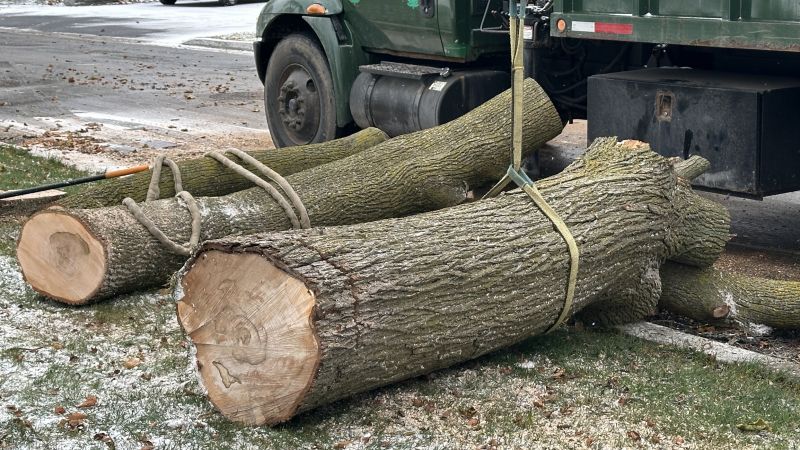
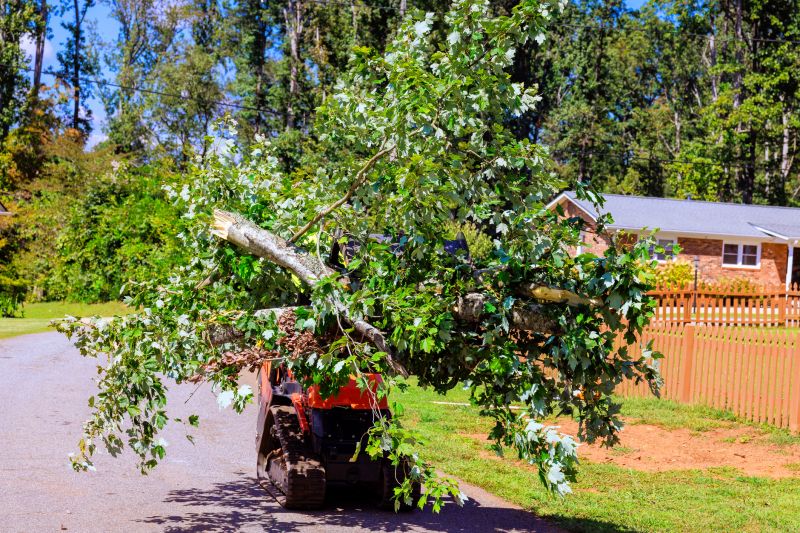
Residential property owners often seek tree services to maintain the health and appearance of their trees, especially after storms or during seasonal changes. Overgrown branches can pose risks to structures, power lines, or pedestrians, prompting homeowners to look for professional pruning or trimming. Additionally, some property owners may want to remove dead or diseased trees to prevent potential hazards or to improve the overall landscape.
Other common reasons for seeking residential tree services include preparing a yard for new construction or landscaping projects, reducing shade to increase sunlight exposure, or simply enhancing curb appeal. Local contractors can provide the expertise needed to safely and effectively handle these projects, ensuring that trees are managed in a way that supports both safety and aesthetics.
What types of tree services do local contractors provide? Local contractors typically offer services such as tree trimming, pruning, removal, and stump grinding to help maintain healthy and attractive trees around residential properties.
How can residential tree services improve the safety of my property? Proper tree maintenance by experienced service providers can reduce the risk of falling branches or trees, helping to keep your home and surroundings safe.
Are tree services suitable for all types of trees? Yes, professional local contractors are equipped to handle a variety of tree species, providing tailored care and removal solutions as needed.
What should I consider before hiring a tree service provider? It's important to check their experience, reputation, and the range of services offered to ensure they can meet your specific tree care needs.
How do local contractors typically handle tree removal? Tree removal is managed carefully using appropriate equipment and techniques to safely and efficiently remove trees while minimizing impact on the property.
Tree Trimming and Pruning - Regular trimming can help maintain the health and shape of trees around the property, preventing overgrowth that may interfere with structures or power lines.
Emergency Tree Removal - When a storm causes a tree to fall or become unstable, local contractors can safely remove the hazard and clear the area.
Stump Grinding Services - After tree removal, stump grinding can help eliminate obstructions and prepare the space for landscaping or new plantings.
Tree Health Assessments - Professionals can evaluate the condition of trees to identify potential issues early and suggest appropriate care or treatments.
If you are thinking about Residential Tree Service for a property, this guide is meant to help you understand the work, the typical project types, and how different options might fit your plans.
When you are ready, you can use the quote form on this page to share a few details about your project. From there, local pros can review the basics and respond with options that match what you have in mind.